
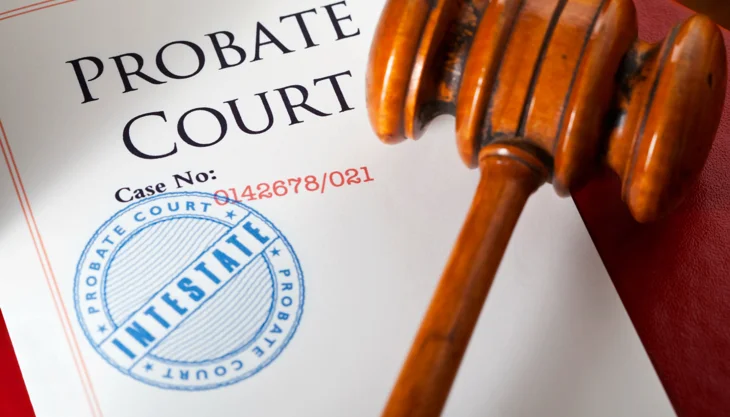
When a loved one passes away without a will, families are often left with an added layer of uncertainty. This uncertainty often comes at a time when families are already overwhelmed and trying to make sense of next steps. Along with grief, questions arise about who inherits, who is in charge, and whether probate will be more complicated.
While the absence of a will can feel unsettling, Florida law provides a clear framework for moving forward. Understanding how the process works can help families feel more grounded during a difficult time.
What Does “No Will” Mean Under Florida Law?
When someone dies without a valid will, they are considered to have died intestate. This does not mean chaos or confusion — it simply means that Florida law steps in to determine how the estate is handled.
The probate court still oversees the process, and the estate is administered in an orderly way. The difference is that the decedent’s wishes are not written down, so state law fills in the gaps.
Who Inherits If There Is No Will?
Florida’s intestacy laws determine who inherits based on family relationships. How the estate is divided depends largely on whether there is a surviving spouse and whether all children were shared with that spouse.
These outcomes can vary depending on family structure, but the following general rules apply in most cases:
- If the decedent is survived by a spouse and all children are shared with that spouse, the spouse typically inherits the entire estate
- If the decedent is survived by a spouse and has children from another relationship, the spouse and children usually share the estate
- If there is no surviving spouse, the children generally inherit the estate
- If there are no spouse or children, inheritance may pass to parents, siblings, or other relatives
These rules are set by Florida law and apply automatically when there is no will, regardless of personal preferences or informal understandings.
Who Is Appointed to Handle the Estate?
Even without a will, someone must be appointed to manage the probate process.
The court appoints a personal representative, usually a close family member who is legally qualified to serve. This person is responsible for:
- Identifying and gathering assets
- Paying valid debts and expenses
- Communicating with beneficiaries
- Distributing assets according to Florida law
The role carries responsibility, but the process remains structured and supervised by the court.
Court supervision helps ensure the process remains fair, transparent, and consistent with Florida law.
Does Probate Take Longer Without a Will?
Not necessarily.
Probate without a will can move just as efficiently as probate with a will, provided there are no disputes and the estate is straightforward. Delays usually arise from:
- Uncertainty about heirs
- Missing information or assets
- Family disagreements
The absence of a will alone does not automatically mean probate will be longer or more difficult.
Why Families Often Feel More Stress Without a Will
A will often provides reassurance — not just legally, but emotionally. Without one, families may feel unsure about whether outcomes reflect what their loved one would have wanted.
That emotional weight is common and understandable. Probate exists to provide clarity and fairness, even when no instructions were left behind.
Common Probate Questions in Florida
Do all estates in Florida have to go through probate?
No. Many estates avoid probate when assets are held in a trust or have proper beneficiary designations. Whether probate is required depends largely on how assets were owned and titled at the time of death.
What assets usually have to go through probate in Florida?
Assets titled solely in an individual’s name, without a beneficiary designation, often require probate. This commonly includes individually owned real estate, bank or investment accounts without beneficiaries, and certain business interests.
What happens if there is no will?
If there is no will, Florida law determines who inherits and who is appointed to handle the estate. While this can feel uncertain, probate still provides a structured and orderly process to settle the estate.
Who is responsible for handling probate in Florida?
The court appoints a personal representative to manage the probate process. This person is responsible for gathering assets, working with professionals, and ensuring the estate is handled according to Florida law.
Are probate costs paid out of the estate?
Yes. Probate-related expenses, including court costs and professional fees, are typically paid from the estate itself—not personally by family members.
A Thoughtful Way Forward
While dying without a will can leave families with unanswered questions, Florida probate law provides a clear and reliable path forward. Understanding that structure often brings reassurance during a time when clarity matters most.
At Staab Law, P.A., we work with Florida families navigating probate and estate administration, with a focus on helping the process feel steady, understandable, and well supported.